How does ecological dynamics translate to grassroot coaches?

How does ecological dynamics translate to grassroot coaches?

During this COVID isolation time, I like many have been able to further look into areas of research and articles to gain further ideas and perspective around new areas of interest. One of these areas is the concept of ecological dynamics in sports settings, an area widely discussed and written about during this period which I wanted to look into a bit deeper. Being a novice around the subject, I wanted to talk to coaches around the ideas and framework and largely found many other coaches were fairly new to the concepts and terminologies around the area which promoted me to consider and start writing “How does ecologicial dynamics translate or look like to grassroot coaches?”

This article highlights the complexity of coaching, not solely due to the dynamic nature of sports participation and development yet the added, layered intricacies of individual motivations and cultural influences. The challenge of successful coaching is acknowledging social interactive dilemmas within individual and team goal setting and development, offering suitable scenarios and choices with all members’ involvement whilst acknowledging the uniqueness of every individual and collaboratively dealing with social and sport matters as opposed to eradicating them.

Read More

"Don't put a saddle on a mustang": What did we as coaches learn from "The Last Dance"?

"Don't put a saddle on a mustang": What did we as coaches learn from "The Last Dance"?

Throughout watching the excellent doco-series of “The Last Dance”, I always had the nagging question to myself of how critical Phil Jackson was and what steps did he take in creating the ideal atmospheres (or controlling Jordan’s high expectations of others) for the group as a whole to excel? The further we get into “The Last Dance,” the more we learn that Jackson was not only an X’s and O’s coach, but he also had a high level of emotional intelligence, which put him ahead of his time. From Jordan wanting to be “the guy,” or Pippen wanting to sit out, to Rodman wanting a 48-hour “vacation,” Jackson had a true understanding of the team and the individuals within it. Most coaches in this situation probably could not have handled all the twists and turns that Jackson faced.

Read More

Chemistry or complex calculations: Finding the formula for coaching

Chemistry or complex calculations: Finding the formula for coaching

Past research regards the “actions of coaches as (possibly) the most critical motivational influences within sport setting” and therefore, coaching should be recognised as an educational dynamic relationship, where the coach can satisfy player’s goals and development but both sides have an investment of will capital, where human initiative and intentionality are both dedicated to show commitment towards goals and relationships. But with all the various needs of athletes and limitations of time, resources and abilities of coaches and their developers, could a formula be proposed for getting the coaching ballance right??

Read More

Focus on connection before you offer direction: Considerations to athlete centred approach

Focus on connection before you offer direction: Considerations to athlete centred approach

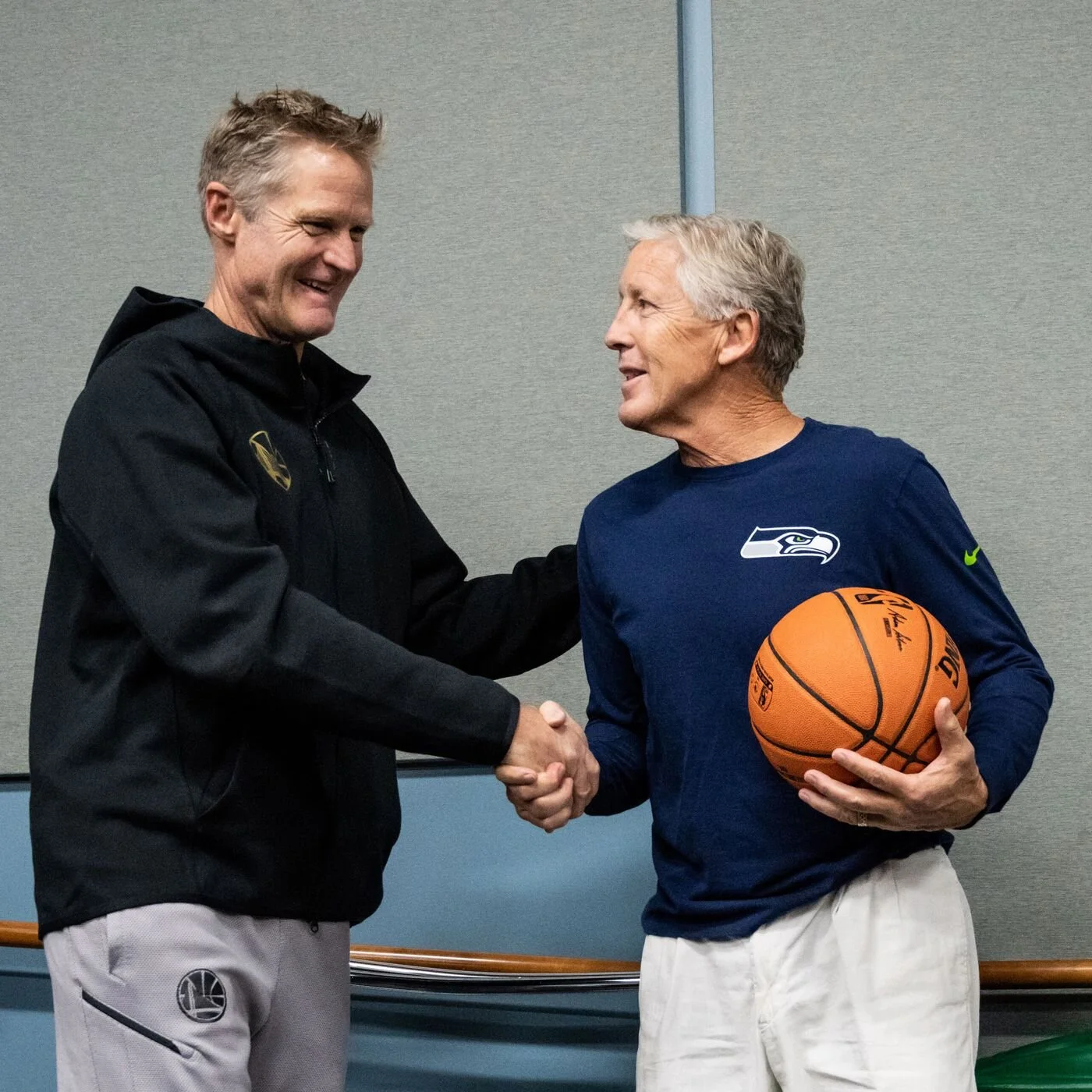
I wanted to reflect on my recent pieces of writing combined with some posts and podcasts I have listened to this week. I’ve listened to a couple of great podcasts last weekend, The Talent Equation where Stuart, Mark Bennett and Alan Keane talked of how they’re focusing on the term “need centred” or “needs led coaching” as opposed to “athlete centred”; this was followed by the Flying Coach Podcast where coaching greats Steve Kerr and Pete Carroll, both of whom I have written about before, discuss what’s really important to coaching great teams and how you need to be comfortable in yourself to serve your players in an authoritative manner. So, while I’ve addressed and believe in the importance of how coaching techniques and certainly the importance of coach-athlete relationships have increased with our new age players, alongside how being aware of your athletes should structure and shape your practice design and coaching methodologies, are we able to recognise what athlete centred coaching looks like and are we able to develop connection, understanding and care to offer players what they need throughout their sporting journey?

Read More

Time for reflection: Andy Farrell and the importance of being a caring coach

Time for reflection: Andy Farrell and the importance of being a caring coach

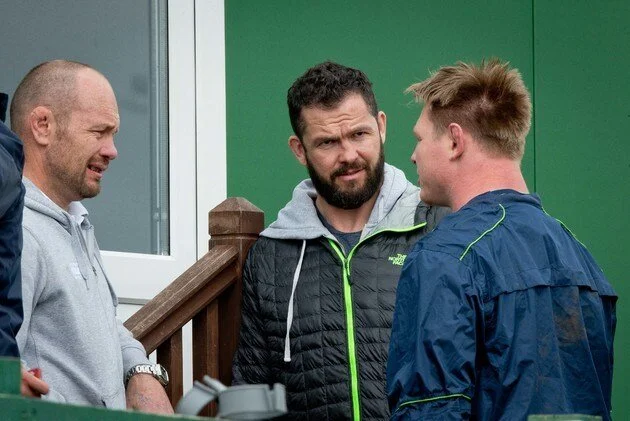
Quoting Andy Farrell, “The team is a reflection of you as a coach. Players want to play for a coach who cares about them.” Recent piece of writing looking at comments made by Ireland Head Coach Farrell and other sources of information, asking us to reflect and question our coaching processes and methodologies, understanding what is REALLY important to your athletes or how to make an impact with your coaching group. I also aim to answers questions forwarded around ensuring the players are enjoying the game while technically developing the individuals.

Read More